On chain declaration of the world's largest exchange by market capitalization: The New York Stock Exchange fully lays out the tokenized securities ecosystem (Robeco Labs)
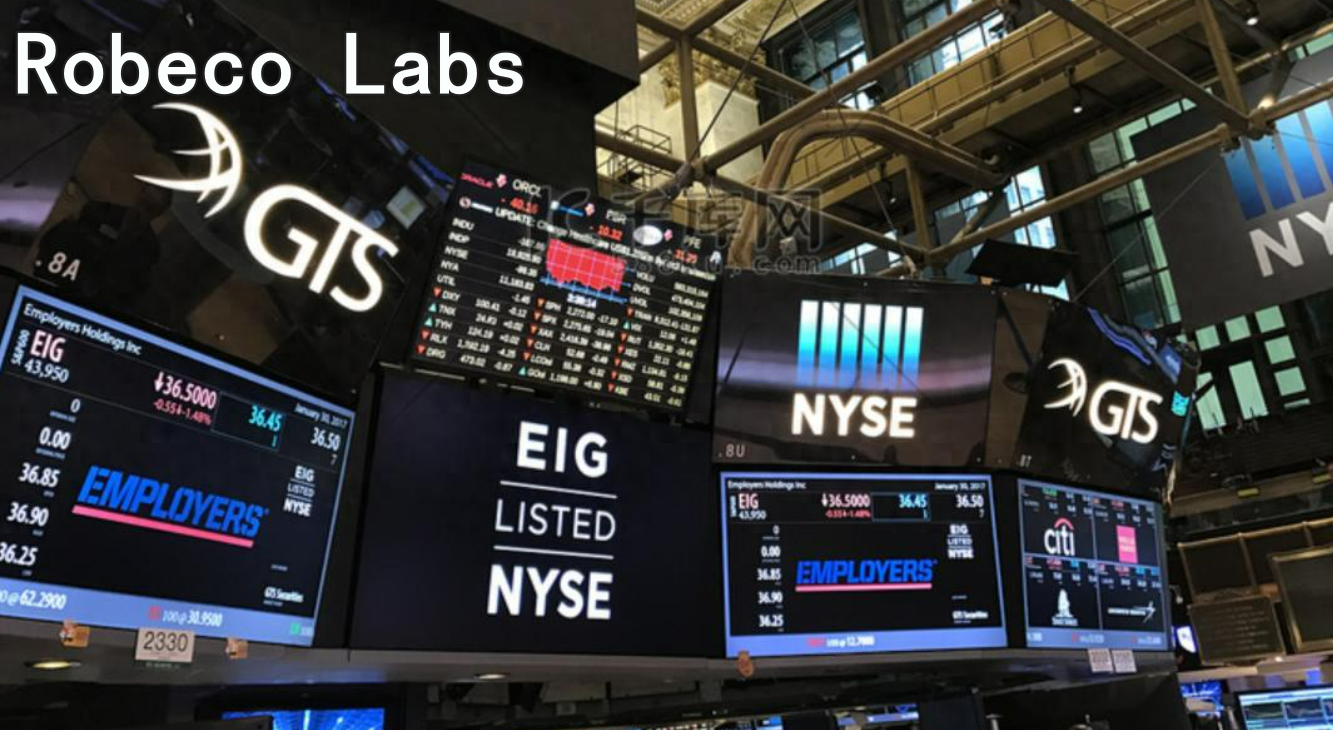
On January 19, 2026, news from the heart of Wall Street sent shockwaves across the global finance and technology sectors. The New York Stock Exchange (NYSE) officially announced that its parent company, Intercontinental Exchange Group (ICE), is developing a new digital platform dedicated to tokenized securities trading and on-chain settlement, and has begun seeking approval from U.S. regulatory authorities. This move is widely regarded as the most solid step taken by traditional financial infrastructure towards the digital asset space.
According to detailed information released by the NYSE, the planned platform aims to completely transform the trading experience of traditional securities. It promises to provide 24/7 continuous trading capabilities, enable instant settlement after trades are executed, allow investors to place orders in specific U.S. dollar amounts, and support seamless fund transfers using stablecoins. At its technical core, it integrates the NYSE’s existing mature Pillar high-performance matching engine with a new blockchain-based post-trade settlement system, designed to support settlement and custody across multiple blockchains. The platform’s vision is to establish a new, regulated trading venue that not only supports the conversion of listed traditional stocks into equivalent tokenized versions for trading, but also allows companies to directly issue native digital securities. Importantly, holders of these tokenized securities will be guaranteed the same core rights and interests as traditional shareholders, such as dividend rights and voting rights.
Bloomberg commented in its report that this marks "mainstream finance’s shift from conceptual discussion to substantive infrastructure development in asset tokenization." And this platform is only the tip of the iceberg of ICE Group’s ambitious digital strategy. The strategy also includes transforming its clearing infrastructure to accommodate 24/7 trading and exploring the use of tokenized assets as collateral. To this end, ICE is collaborating with top financial institutions such as The Bank of New York Mellon and Citigroup to study integrating tokenized deposits into its clearing system, addressing the challenges of fund allocation and margin payments across global time zones.
The NYSE, founded in 1792 and hailed as a symbol of global capitalism, any major shift it makes has a weathervane significance. Is its entry opening a compliant door for the large-scale digitalization of Real World Assets (RWA), or is it just another cautious experiment? How will it stir up the existing financial landscape, and what real challenges will it face? This article attempts to penetrate the market buzz and conduct a calm and in-depth analysis.
The NYSE’s Four Major Strategic Layouts
To understand the significance of the NYSE’s move, it should not be viewed merely as a technical attempt, but as a systematic strategic deployment. This strategy unfolds around four clear and mutually supportive pillars, demonstrating the unique path of traditional giants in innovation.
The primary pillar is an unwavering compliance-first strategy. Unlike the "move fast and break things" style common in the crypto-native space, the NYSE explicitly placed "seeking regulatory approval" at the core in its announcement. According to the Wall Street Journal, the NYSE team has long engaged in proactive communication with regulatory authorities such as the U.S. Securities and Exchange Commission (SEC). Its goal is not to create a new system outside existing regulations, but to strive for a legitimate "identity" for this new platform within the existing securities legal framework, such as registration as a regulated Alternative Trading System (ATS). This proactive approach of subjecting itself to strict regulatory oversight is the cornerstone of attracting the trust of mainstream financial institutions and large companies. It declares to the entire market that what the NYSE aims to build is a new market operating within the rules, not a "lawless territory" that challenges the rules.
The second pillar is reflected in a pragmatic technology integration route. The phrase "integrating the NYSE’s Pillar matching engine with a blockchain-based post-trade system" in the announcement is the key technical philosophy. Pillar is a modern, high-throughput trading system put into use by the NYSE in recent years, representing the pinnacle of traditional centralized trading technology. Choosing to connect it with a blockchain settlement layer rather than starting from scratch is a typical "hybrid architecture" mindset. This means that the matching of trading orders may still be efficiently handled by the time-tested centralized system to ensure speed and capacity; while the post-trade changes in share registration and fund settlement will be automatically and transparently completed by the blockchain network. This design cleverly combines the advantages of both: the front end maintains the high performance of the traditional market, while the back end gains the settlement efficiency and immutability of blockchain, finding a balance between ideal and reality.
The third pillar is the full equality guarantee of legal rights and interests. The platform’s commitment that tokenized shareholders will enjoy "the same dividend rights and governance rights as traditional shareholders" is not an understated marketing slogan, but the legal premise for the entire business model to be viable. It ensures that the digital tokens circulating on the chain are not vague equity certificates, but financial instruments carrying complete and enforceable legal rights. Achieving this usually requires the use of specific legal structures (such as Special Purpose Vehicles, SPVs) to strictly bind the ownership of the underlying real assets with the ownership of on-chain tokens. The NYSE’s endorsement with its centuries-old reputation greatly simplifies the complexity for investors, especially institutional investors, in understanding the legal risks of such new assets, removing a major obstacle to large-scale adoption.
The fourth pillar is the open access principle for ecological construction. The platform plans to "provide non-discriminatory access to all qualified broker-dealers." This strategy profoundly reveals the NYSE’s true intention: it is not trying to build a closed elite club, but to become a hub connecting the massive traditional financial network with the new world of digital assets. The thousands of compliant brokers and investment advisors existing in the U.S. hold the gateway to huge mainstream capital. By providing them with familiar interfaces, the NYSE is actually activating the distribution capacity of the entire traditional financial system and guiding it towards the tokenized asset field. This is far more efficient and robust than cultivating an entirely new investor base from scratch. This move indicates that the NYSE’s strategy is to empower and expand the existing system, rather than subvert it.
Who Will Be Impacted and Promoted?
The NYSE’s strong entry is like placing a strategic piece in the financial market, and the chain reaction it triggers will redraw the competitive map of industry participants, bringing distinct opportunities and challenges to different roles.
For companies seeking financing and listing, a potential new option is emerging. The most intuitive value brought by the tokenized securities platform is improved efficiency. Instant settlement (T+0) can significantly reduce capital occupation and counterparty risk in transactions. The 24/7 trading capability allows a company’s stocks to seamlessly connect with global capital, especially benefiting enterprises with international businesses. More in-depth, blockchain-based shareholder register management and automated dividend distribution are expected to drastically reduce the operating costs of a company’s legal and investor relations departments. For startups or companies seeking refinancing, directly issuing digital securities may provide a more flexible and widely accessible path than traditional IPOs or private placements. Although early adopters may be limited to large enterprises with good compliance records, it undoubtedly adds a new tool to the capital market toolbox.
For existing cryptocurrency exchanges and decentralized trading protocols, the mood is undoubtedly mixed. In the short term, the pressure is obvious. A regulated securities token trading platform with the NYSE’s golden brand has a magnetic appeal to institutional funds that are hovering at the door of the mainstream world and attach great importance to compliance and security. Some capital flows may shift from crypto platforms with unclear regulatory environments. However, from a long-term and broader ecological perspective, this is also a major positive. The NYSE’s move is equivalent to "credit enhancement" for the entire asset tokenization track with its own reputation, which will accelerate the clarification of regulatory rules and market maturity, bringing unprecedented incremental capital and mainstream attention to the industry. Crypto-native platforms have profound accumulation in digital asset liquidity management, wallet technology, community operation, etc. In the future, they can completely transform into professional service providers, liquidity providers or technical partners in this emerging ecosystem, finding their niche in the new value network.
For RWA-native protocols and projects that have developed rapidly in recent years, such as those focusing on tokenizing assets such as real estate, treasury bonds, and private credit, the NYSE’s entry is both validation and a challenge. On the positive side, the entry of top traditional institutions has confirmed the huge potential value of the RWA track in the most authoritative way, played an excellent market education role, and is expected to attract more attention and resources from the traditional world into this field. But on the other hand, the competitive dimension has suddenly escalated. In the past, the core advantage of RWA protocols lay in their speed of innovation and ability to tap long-tail assets. Now, the NYSE platform, with its unparalleled brand trust and existing global distribution network, is likely to directly attract the highest-quality and most mainstream underlying assets (such as blue-chip stocks, investment-grade bonds). This will force native protocols to rethink their strategies: continue to delve into segmented, non-standard asset areas and build a unique moat in asset acquisition and risk management? Or actively seek cooperation with platforms like the NYSE to become their asset suppliers or technical service providers? An upgrade race around asset quality, compliance standards and user experience has quietly begun.
For top custodian and clearing banks such as The Bank of New York Mellon and Citigroup, a new chapter in the script of change has been turned. Their role in this cooperation reveals the future evolution direction of financial infrastructure. Traditionally, these banks have been "static vaults" for securities assets. In ICE’s blueprint, they need to evolve into "dynamic gateways" connecting traditional account systems with the blockchain value network. Specifically, they will explore providing "tokenized deposit" services for clearing members to support fund transfers and margin management during non-traditional business hours. This means that banks must establish the ability to securely handle on-chain asset certificates (tokens) and interact in real time with blockchain smart contracts. Their role is shifting from passive asset custodians to active digital asset service providers. The success of this transformation will directly determine the core position of these financial giants in the future digital financial market.